Produce saver containers do work, honestly but modestly: vented, elevated designs typically add days — not weeks — of freshness for greens and berries, and the Rubbermaid FreshWorks is the most complete of those systems. The average household throws away a quiet fortune in produce that died in the crisper — greens wilted, berries furred, herbs liquefied — and a small industry of containers promises to stop it with vents, liners and ethylene-eating pods. Some of that promise is real food science and some is theatre, and this guide separates them: each system below is graded on the mechanism it actually uses, the produce it genuinely suits, and the replacement parts it will ask you to keep buying.
The lineup covers the vented-liner system that leads the category, a charcoal-filter design from a kitchen-science brand, a flour-keeper’s produce sibling, the modular fridge system with the longest track record, and the little ethylene pods that upgrade any container you already own. All were checked for crisper fit, dishwasher reality and Canadian availability of the consumable parts. For the wider storage picture, our best food storage containers in Canada and the USA guide covers the containers themselves, and the best bread boxes in Canada and the USA guide handles the pantry side of the freshness fight.
Disclosure: CookSmartPicks is reader-supported. When you buy through links on this page, we may earn an Amazon commission at no extra cost to you. Prices and availability change often — check the current price on Amazon before you decide.
How we chose these produce saver containers
We judged each system on its stated mechanism rather than its freshness promise: venting that adjusts airflow, liners that wick and hold moisture away from leaves, elevated floors that keep produce out of its own condensation, and ethylene absorbers whose chemistry is published rather than mystical. Claims were read against the underlying food science — ethylene sensitivity, leaf moisture, berry mould — and any system claiming one setting suits all produce was marked down for the claim itself.
Practical screens followed: container footprints against real crisper drawers, whether the lids and bodies are dishwasher safe (and whether the special parts — liners, filters, pods — are replaceable at sane prices in Canada), and capacity honesty in cups of actual greens rather than litres of air. Two systems whose ‘filters’ were unreplaceable, undisclosed material were cut; a freshness system you cannot maintain is a countdown, not a solution.
The lineup at a glance
| Product | Best for | Why it stands out |
|---|---|---|
| Rubbermaid FreshWorks Produce Saver (with FreshVent Liners) | Best overall | Vented lid, raised floor, replaceable liner: the complete freshness system |
| OXO Good Grips GreenSaver Produce Keeper | Best for ethylene control | The ethylene specialist: a carbon filter where the gas gathers, in a lift-out basket design |
| Prepworks ProKeeper Produce Keeper (by Progressive) | Best adjustable-vent system | The deliberate system: a vent you set by the printed chart, with a gasket seal |
| Tupperware FridgeSmart Containers | Best long-term system | The elder system: adjustable vents, printed charts, containers that outlive kitchens |
| BluApple Produce Freshness Pods (Refillable, 2-Pack) | Best budget upgrade (any container) | The pocket-money fix: ethylene absorption for the containers already in your fridge |
1. Rubbermaid FreshWorks Produce Saver (with FreshVent Liners) — Best overall
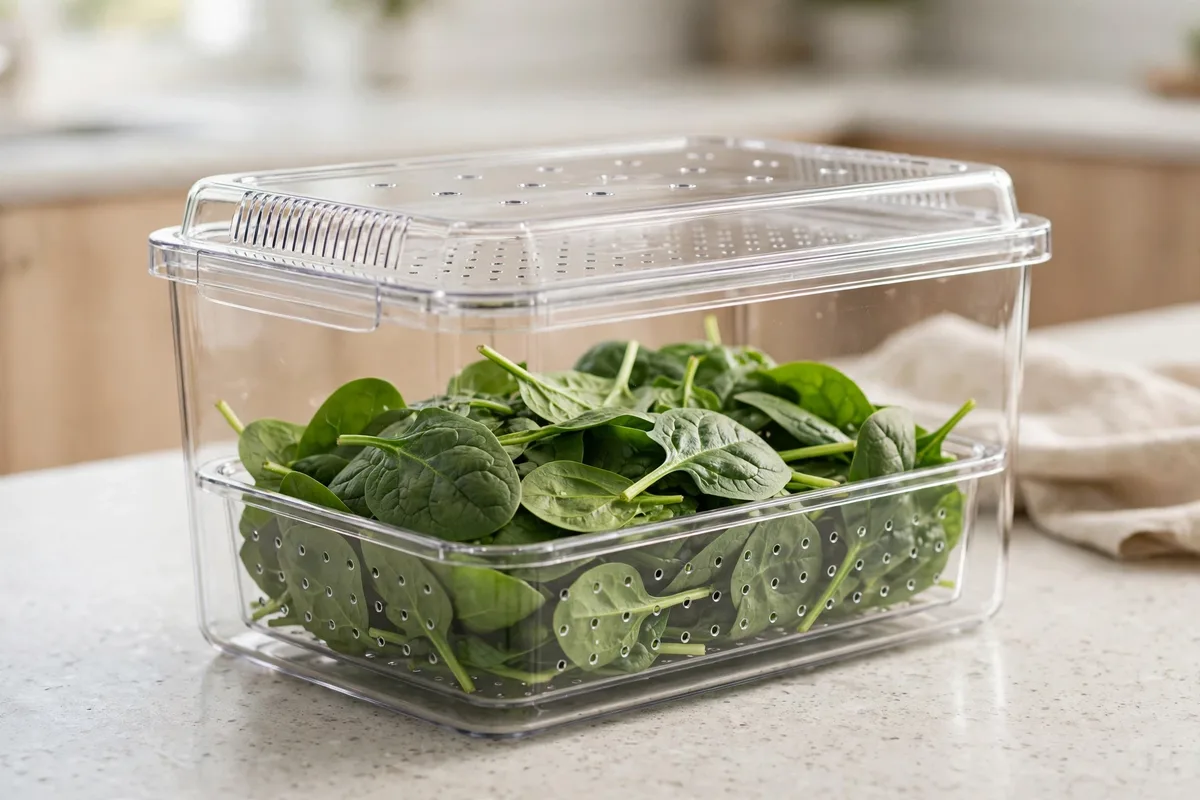
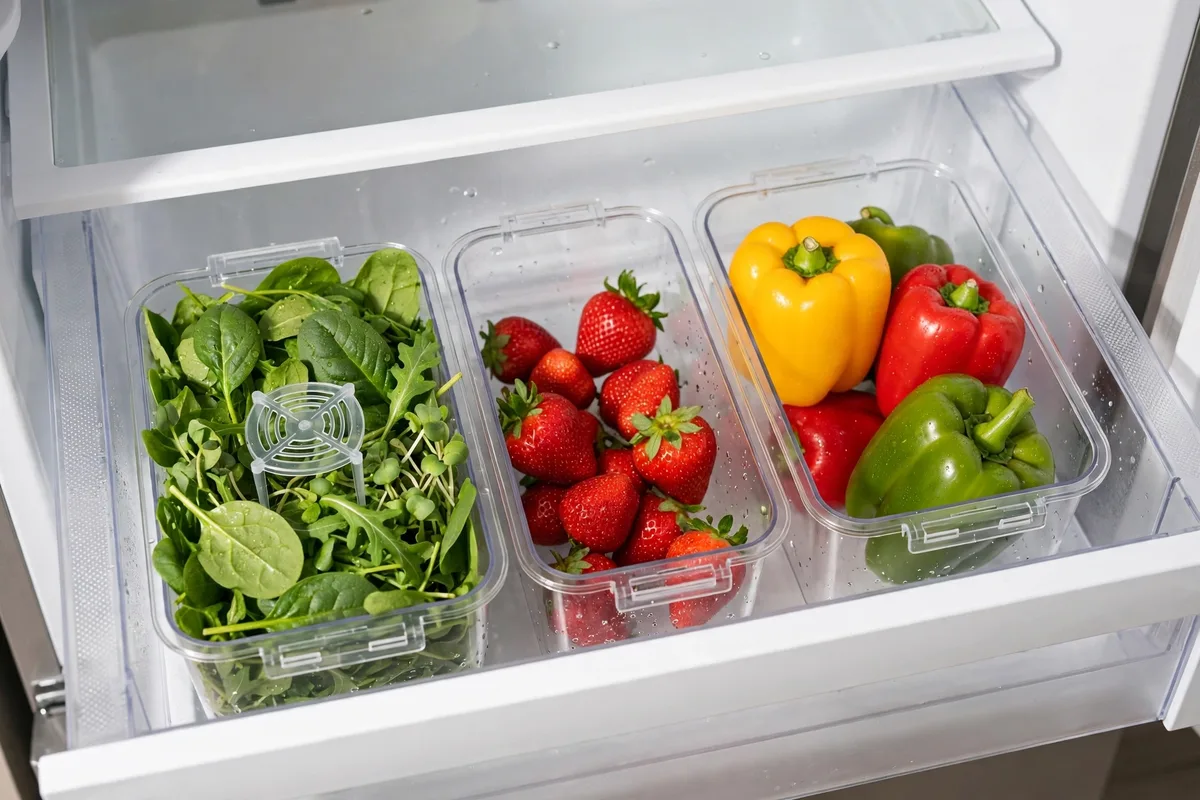
FreshWorks leads the category because its mechanism is visible and sound: a FreshVent membrane in the lid regulates airflow automatically (no slider to set wrong), while the CrispTray floor elevates produce above the moisture it respires, so leaves and berries sit in humid air but never in liquid. Rubbermaid’s claim — produce staying fresh up to 80 percent longer than in store packaging — is the maker’s figure, but independent comparisons of the category consistently place FreshWorks at or near the top for greens and berries, which is the pattern that matters.
The system’s discipline is its liners: the vent membrane is a replaceable filter, sold in refill packs, and the container performs to spec while you keep them current — a modest, predictable consumable rather than a hidden failure. Bodies and trays are dishwasher friendly, the sizes stack from a small berry box to a large greens keeper that swallows a family salad habit, and the whole line is stocked everywhere in Canada, refills included.
For the household whose crisper is where lettuce goes to be forgotten, this is the first purchase: greens washed, spun dry and stored in FreshWorks routinely outlast the weekly shop, and berries fare nearly as well. It will not save produce bought tired, and nothing will — but against the ordinary entropy of a family fridge, it is the most complete, maintainable system here.
FreshWorks owners’ most-reported surprise is the berry result: unwashed berries on the CrispTray routinely reach the next weekend in eating condition, which changes buying behaviour — the large market punnet stops being a gamble and becomes the economical choice it always claimed to be.
Yay · Pros
- Auto-regulating vent + elevated tray — sound mechanism
- Category-leading results for greens and berries in comparisons
- Refills stocked everywhere in Canada
Hmm · Cons
- Liners are a recurring purchase
- Sizes suit most, not all, crisper drawers
- Lids are hand-wash-preferred for longevity
Best for: Most households — the category’s default answer for greens and berries Skip if: You shop twice a week and finish produce fast — the habits alone may suffice
2. OXO Good Grips GreenSaver Produce Keeper — Best for ethylene control
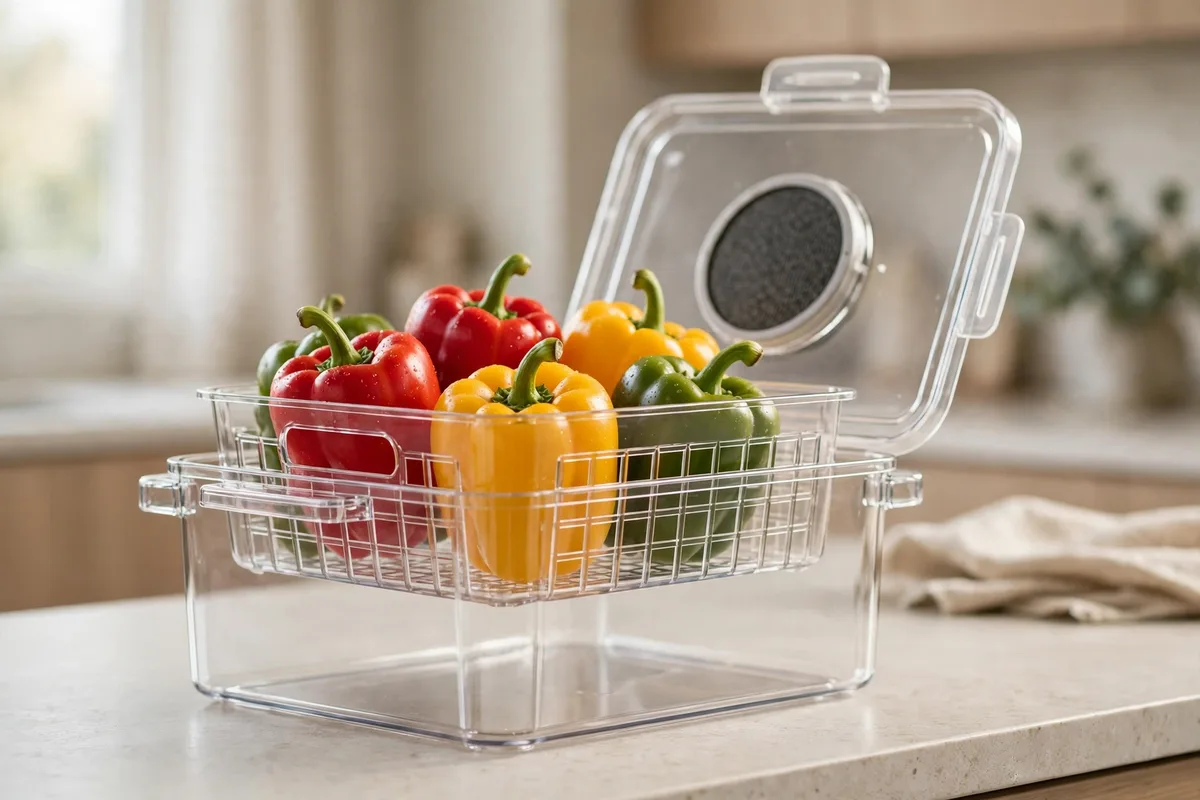
OXO’s GreenSaver takes the other serious route: an enhanced carbon filter in the lid that absorbs the ethylene gas ripening produce emits, paired with an elevated inner basket that keeps contents off the walls and out of condensation. The filter is the system’s consumable — replaceable on a roughly quarterly rhythm per OXO — and the design is honest about it, with the filter compartment front and centre rather than hidden. For ethylene-sensitive produce stored near gassers (the real-world crisper, where the apples live next to the peppers), that absorption is the mechanism that matters most.
The container itself is pure OXO: a rigid, crystal-clear body that shows contents at a glance, a basket that lifts out for washing and serving, and sizes that run from a herb-keeper format to a large greens box. Everything but the filter is dishwasher safe, and the lids’ seals seat with the brand’s usual certainty. Canadian availability runs through the brand’s normal kitchen retail, filters included, though the refill cadence is worth pricing before you commit to a fleet.
Choose GreenSaver where ethylene is your diagnosed problem — mixed drawers, heavy fruit buying, sensitive greens — and FreshWorks where moisture management is. Many serious households run both, which is less extravagance than it sounds: the two systems attack different killers, and this guide’s deep-dive explains which of your losses belongs to which.
The GreenSaver’s filter discipline is its one demand: owners who change the carbon filter on schedule keep the results; owners who forget describe a good container that mysteriously became ordinary. Put the quarterly change on the calendar with the furnace filter and the system never fades.
Yay · Pros
- Carbon filter absorbs ethylene at the source
- Lift-out basket; crystal-clear body
- Dishwasher-safe parts; OXO build quality
Hmm · Cons
- Filters are a recurring cost
- Fewer size options than FreshWorks
- Rectangular footprint suits some drawers better than others
Best for: The science-minded buyer who wants the filter front and centre Skip if: Your produce dies of moisture, not ethylene — FreshWorks targets that better
3. Prepworks ProKeeper Produce Keeper (by Progressive) — Best adjustable-vent system
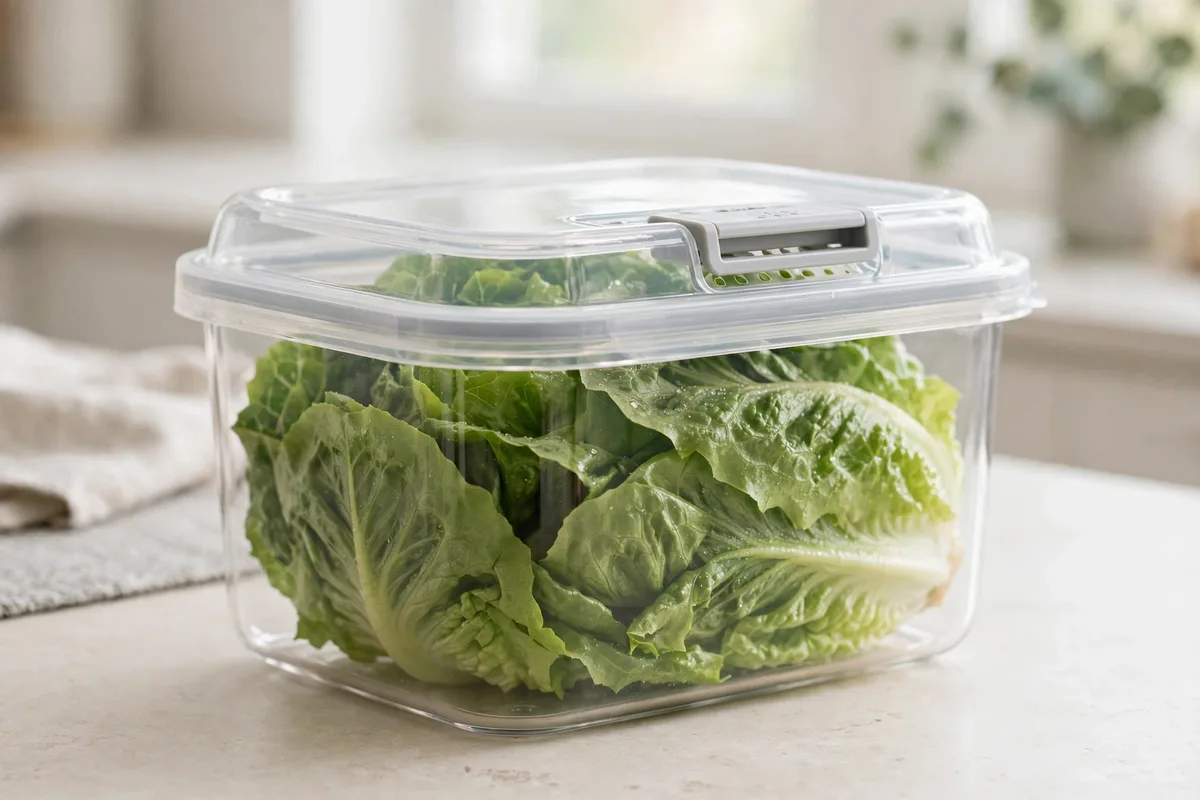
Progressive’s ProKeeper line built its name on flour and sugar keepers with gasket seals and levelled scoops; the Produce ProKeeper applies the same engineering temperament to the crisper: an air-flow vent you set using the printed guide on the lid (each produce family’s preferred setting, printed where you need it), a removable drainage base, and a size — roughly a family head of lettuce plus company — that suits the weekly-shop household.
The printed vent chart is the design’s quiet brilliance: instead of a membrane deciding for you, the keeper teaches the categories (berries want this, greens want that) until the settings become habit. The gasket seal is the snuggest here, which serves humidity retention for greens and demands two hands and dry fingers to open — a trade owners note and accept. Everything washes in the dishwasher, and the keeper stacks with its ProKeeper siblings for the frighteningly organized fridge.
Canadian availability is thinner than the big two — specialty kitchen stores and online channels — which is the pick’s main friction. For the household already running ProKeeper dry-goods containers, or the cook who prefers a system they set deliberately over one that decides silently, it is the connoisseur’s produce box: engineered, instructive, and sized for real shopping.
ProKeeper’s printed chart has an afterlife owners mention: children and partners learn the vent settings from the lid itself, so the system survives being used by the whole household rather than depending on the one person who read the manual — a design virtue that compounds daily.
Yay · Pros
- Printed vent guide on the lid — teaches the settings
- Gasket seal holds humidity for greens
- Stacks with the ProKeeper family
Hmm · Cons
- Vent settings ask you to learn the chart
- Smaller Canadian retail footprint
- Lid seals are snug — two hands to open
Best for: Bakers and batch shoppers already in the ProKeeper ecosystem Skip if: You want set-and-forget — the vent chart asks for participation
4. Tupperware FridgeSmart Containers — Best long-term system
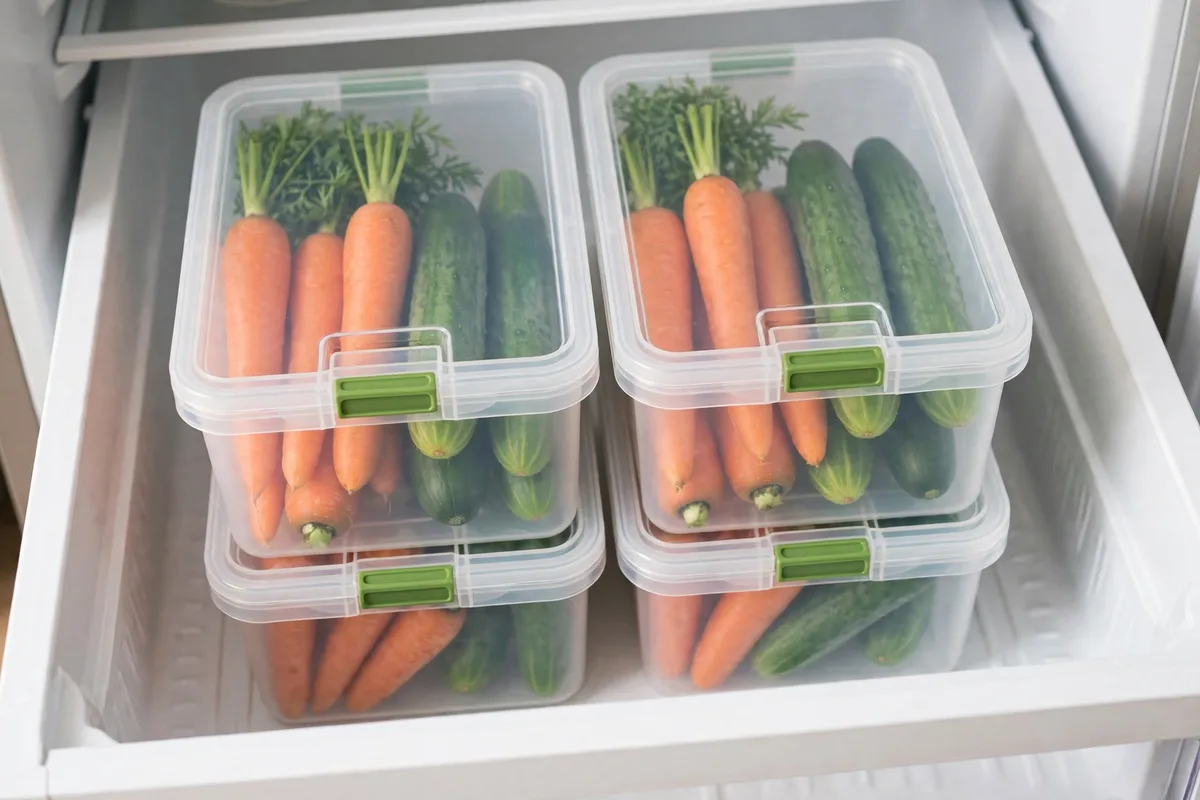
FridgeSmart is the category’s elder statesman: Tupperware’s modular system of vented containers, each with a two-position slider vent and a pictorial chart on the body mapping produce to settings, backed by the brand’s famous durability and a user base measured in decades. The mechanism is the adjustable-vent school at its most developed — the containers’ raised bases keep produce off condensation, the vents tune airflow per contents, and the modular footprints tile a crisper drawer with Tetris efficiency.
The ownership story is the system’s depth: sizes from a single pepper’s worth to a market haul, all sharing the design language, all effectively immortal in normal use — FridgeSmart containers from the 1990s remain in service in a remarkable number of kitchens, which is either a durability datum or a Tupperware-party datum and probably both. The chart-on-the-body teaching approach works: households that learn the sliders report the greens results that built the line’s reputation.
The friction is procurement: Tupperware’s Canadian sales run through its own channels and consultants rather than every kitchen aisle, and the per-container price is premium. For the household committing to one platform for the whole crisper — and valuing a thirty-year service life over a thirty-dollar experiment — FridgeSmart remains the system to beat, and the one your grandchildren will find in the cupboard, still venting.
FridgeSmart’s secondhand market tells its durability story: decades-old sets sell briskly at estate sales and are bought by people who already own them. A container line whose used examples are sought after is a container line whose new price deserves a fair hearing.
Yay · Pros
- Decades-proven adjustable-vent system
- Modular sizes tile the whole crisper
- Legendary durability; chart printed on each container
Hmm · Cons
- Availability runs through Tupperware’s channels
- Vent sliders need learning per produce type
- Premium pricing per container
Best for: System builders who want the whole crisper on one modular platform Skip if: You want to buy tonight at a big-box store — channels differ
5. BluApple Produce Freshness Pods (Refillable, 2-Pack) — Best budget upgrade (any container)
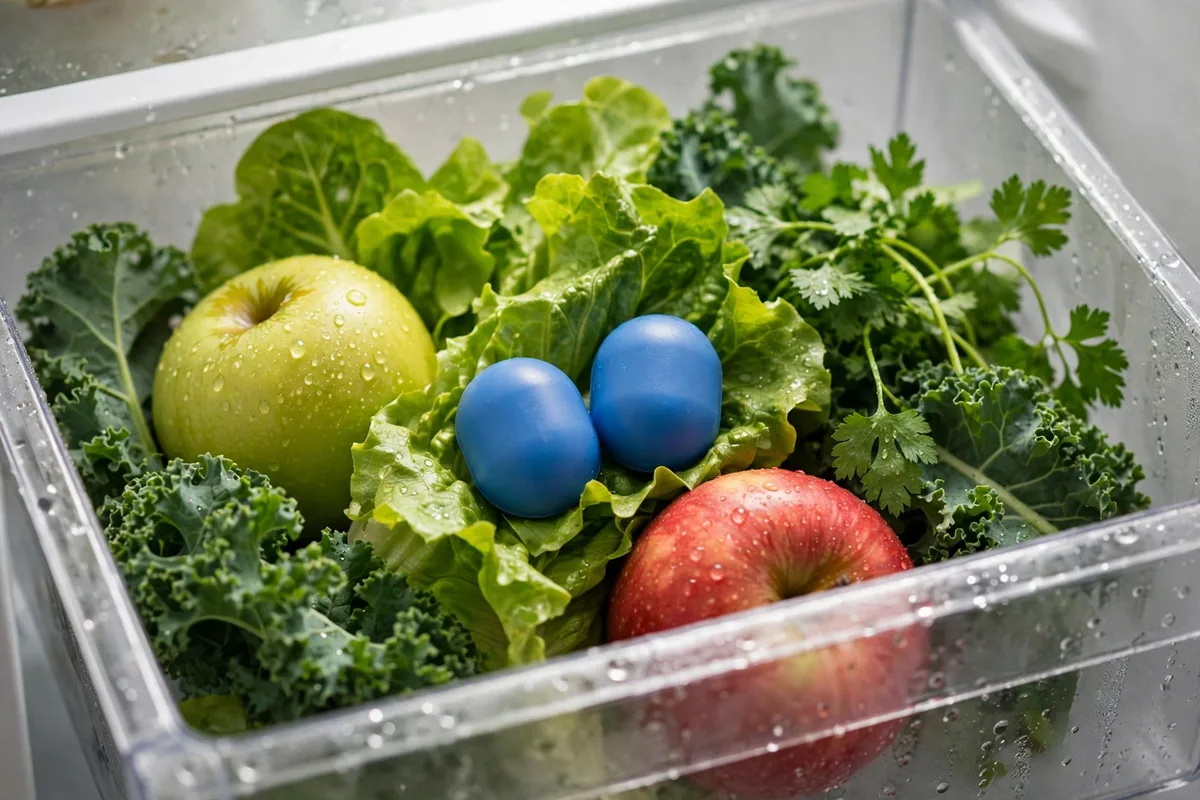
BluApple is the category’s clever hack: a small refillable pod containing an ethylene-absorbing packet (the active ingredient is the same oxidizing chemistry used commercially in produce shipping), dropped into your crisper drawer or any container you already own. It asks for no new boxes, no drawer reorganization, and a few dollars per refill cycle — the packets are replaced roughly quarterly, and the pod itself lasts indefinitely. For households whose containers are fine and whose enemy is specifically ethylene, it is the entire solution at the price of a coffee.
The honesty paragraph: the effect is real but marginal — the chemistry works, the dose is small, and controlled looks at the category find days of difference for sensitive produce stored near gassers, not a suspended-animation miracle. BluApple’s own marketing mostly respects that scale, which this guide notes approvingly. Where the pods shine is the mixed drawer that cannot be reorganized — the rental fridge, the shared kitchen — where separation is impossible and absorption is the only lever left.
Canadian availability runs through online and specialty retail, refills included. Buy a pair — one per crisper drawer — pair them with the dry-storage habits in the deep-dive, and you have captured most of the category’s benefit for the least money and zero new plastic. It is the pick we would hand a skeptic, because its price makes the experiment honest.
The pods’ best-documented use, from owner patterns, is the holiday fridge: when the drawers overflow with feast produce and separation is impossible, a fresh pair of absorbers is the only intervention that scales. Keep a spare set for December and the pods earn their drawer corner all year.
Yay · Pros
- Upgrades any drawer or container you own
- Refillable pods; packets last about three months
- Cheapest real ethylene control available
Hmm · Cons
- Refill packets are a subscription-shaped habit
- Does nothing for moisture — pair with dry storage
- Effect is marginal, not transformative
Best for: Upgrading the containers you already own, for pocket money Skip if: Your losses are mould and wilt, not ethylene — pods do not manage moisture
Ethylene, water and air: the three ways produce dies in your fridge
Ethylene gas, emitted by bananas, apples and avocados, is the fastest silent killer in a crisper drawer: separating those gassers from greens and berries is the single biggest freshness gain, and it is free. Produce dies by chemistry, not by calendar. The first killer is ethylene, a gas ripe fruit emits that accelerates ripening — and then rotting — in everything near it; bananas are the famous gassers, but apples, avocados and tomatoes all exhale it. The second is water in the wrong place: free moisture on leaves and berries is mould’s invitation, which is why the rinse-before-storage habit kills more produce than any container flaw. The third is desiccation — the fridge’s cold air is dry air, and unwrapped greens wilt by evaporation even as berries rot by moisture. Every system in this guide is a negotiation among those three forces.
Greens want humidity without wetness: washed, spun truly dry, then held in a container whose vent or liner keeps the air moist but the leaves untouched by liquid. Berries want the opposite posture — dry, cold, unwashed until serving, with airflow that whisks away the moisture they respire. Herbs want a drink: stems in water like flowers, loosely covered, which can triple their life against the drawer’s neglect. A single ‘produce container’ that claims one setting for all three is marketing; the honest systems are adjustable (vents), absorbent (liners and pods), or specialized (the herb keeper) — which is how this guide organized its picks.
The charcoal-and-mineral absorbers deserve their balanced paragraph: ethylene-absorbing sachets and pods rest on real chemistry — potassium permanganate and activated charcoal do oxidize and adsorb ethylene — and controlled studies of the category find genuine, if modest, extensions of freshness, strongest for ethylene-sensitive produce stored near gassers. They are seasoning, not the meal: the fundamentals (dry leaves, cold fridge, separation of gassers from the sensitive) deliver most of the gains, and the absorbers add days at the margin for a few dollars a month.
Fridge organization multiplies every system here: the crisper drawers’ humidity sliders actually work (high humidity for greens, low for fruit), the door is the warmest zone and wrong for berries, and the back of the fridge can freeze lettuce against the cold plate. Put the savers where their produce belongs, and the containers’ claims become achievable; ignore placement, and no liner will save a door-kept strawberry.
The last honesty is about baselines: a household that buys twice a week and cooks what it buys gains little from any of this. The savers pay for households that shop weekly, buy in bulk or at markets, or chronically find the cilantro has become soup. Match the system to the failure you actually have — wilt, mould, or the gasser next door — and the guide’s picks will do the rest.
One number frames the whole category honestly: food guides and waste studies commonly find households discard a substantial share of the fresh produce they buy, and the crisper is where most of it dies — so even a system that saves one bag of greens and one punnet of berries a month has paid its shelf rent, which is the correct, modest maths for judging every pick in this guide.
Produce saver questions, answered
Do produce saver containers actually work, or is it marketing?
The mechanisms are real — vented airflow, moisture-wicking liners and ethylene absorbers all rest on sound food science, and independent comparisons generally find days of extra freshness for greens and berries versus a bare crisper. The honest size of the effect is days, not weeks, and the biggest gains come from the free habits: store produce dry, separate ethylene gassers from sensitive items, and use your crisper’s humidity slider.
Should I wash produce before putting it in a saver?
No — that is the most common way to shorten its life. Water left on leaves and berries feeds mould; wash greens, then spin or pat them genuinely dry before storing, and keep berries unwashed until serving. The exception is herbs, which store best with stems in water. Every system in this guide assumes dry produce going in.
What is the gas that makes produce ripen faster?
The gas is ethylene, a ripening hormone fruits emit — bananas, apples, avocados and tomatoes are the big emitters. It is harmless to you but ages sensitive produce (greens, cucumbers, peppers, berries) quickly. Store emitters separately, and use an absorber pod in the drawer where separation is impossible; that pairing is the cheapest freshness upgrade in this guide.
How often do I replace filters and liners?
FreshWorks’ liners are replaceable filters (sold in packs) and GreenSaver’s carbon filters likewise — change them on the maker’s schedule, roughly every few months, or when performance fades. The BluApple-style pods are refillable: the packet inside is replaced about every three months. Wash containers themselves with normal dish soap; the liners and filters themselves should stay dry.
Can I just use a regular container with a paper towel?
Yes, for the right jobs: a lidded container with a paper towel and dry greens beats the bare drawer. What the systems add is adjustability (vents), drainage (elevated floors), and ethylene handling — worth it for weekly shoppers and market hauls, optional for twice-a-week shoppers. Start with the habits, add the hardware where your waste pattern justifies it.
What is the best way to store fresh herbs?
Stems in water, loosely covered — the herb-keeper method — is the standout, commonly stretching cilantro and parsley from days to two-plus weeks. For leafy herbs like basil, treat it as a flower on the counter instead (it hates the cold). Delicate greens go dry and vented; the ProKeeper and FridgeSmart picks handle those, and the herb keeper in the lineup covers the bouquet method.
The short version
Start with Rubbermaid FreshWorks for greens and berries — its vent-and-tray system is the category’s most complete. Choose the OXO GreenSaver where ethylene from mixed drawers is the killer, the Prepworks ProKeeper if you like setting vents deliberately, and FridgeSmart for a decades-long modular platform. On a budget, BluApple pods upgrade the containers you own. And keep the free habits: dry produce in, gassers separated, crisper sliders set.
Last updated: November 18, 2026. We refresh this guide each season and whenever a pick is replaced by a better one.