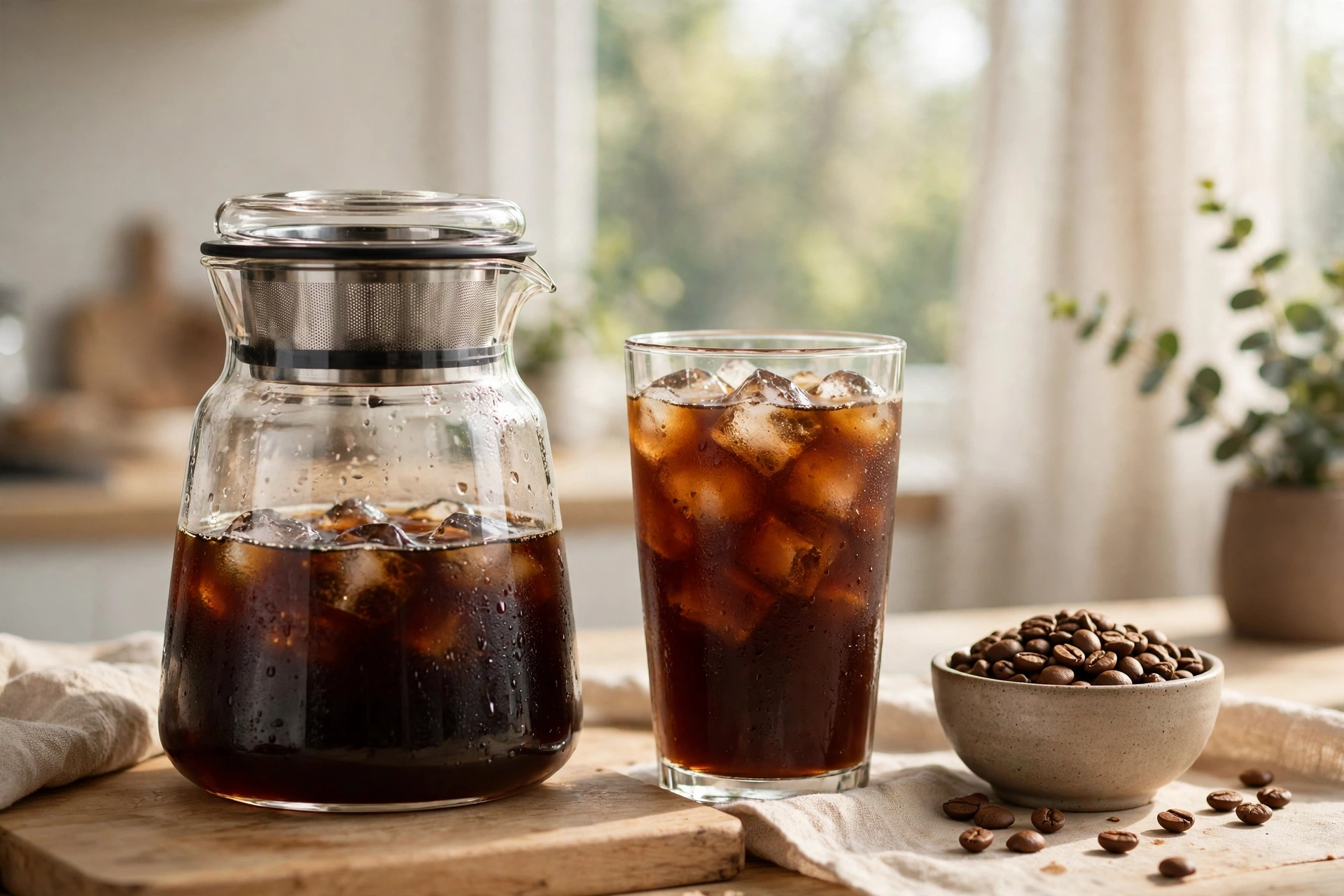
Cold brew looks like the simplest coffee there is — grounds, cold water, time — and yet the maker you choose decides almost everything that matters: whether the result is a strong concentrate that stretches across a week of glasses or a ready-to-drink pitcher that is gone by Wednesday, whether it lives on your fridge door or claims a whole shelf, and whether cleanup is a quick rinse or a filter-scraping chore. We compared the cold brew makers that the major test kitchens and specialist coffee sites keep recommending, and the ones Canadian and American owners keep re-ordering, to build the shortlist below.
The honest headline: format comes before brand. Concentrate brewers such as the OXO Brew and the Toddy make a strong base you dilute glass by glass, so a single batch goes much further; pitcher brewers such as the Takeya and the Hario brew at drinking strength and trade that economy for grab-and-pour simplicity. Everything below is organised by that split — and by the fridge space each maker actually needs — rather than by price.
How we chose these cold brew coffee makers
We built this list from the tested roundups that revisit cold brew every season — Good Housekeeping's and Business Insider's picks as documented across the specialist coffee press, Home Essentials Lab's hands-on scoring, BrewSift's fridge-focused comparisons, and the roundups from HomeCoffeeBrew, PrepDeck and Shopping Trends Canada — then checked every model's format, capacity and filter type against the manufacturers' own specifications. Where testers disagree, we say so. CookSmartPicks does not run its own coffee lab; what we do is reconcile the published evidence and flag the trade-offs the roundups bury.
Three things separated the picks. Format and yield — concentrate versus ready-to-drink, and how many actual glasses a batch produces once concentrate is diluted. Fridge fit — door-shelf height and footprint, because a brewer that does not fit your fridge is a counter ornament. Filter and cleanup — reusable mesh you rinse in seconds versus paper or felt filters that brew a cleaner cup but become a running cost.
The lineup at a glance
| Cold brew maker | Best for | Why it made the cut |
|---|---|---|
| OXO Brew Cold Brew Coffee Maker 32 oz | Best overall | The Good Housekeeping and Business Insider pick — and Home Essentials Lab scored its concentrate 9.5/10 |
| OXO Compact Cold Brew Coffee Maker | Best fridge-door concentrate | BrewSift's top pick at 8.9/10, sized for the fridge door instead of a full shelf |
| Takeya Deluxe Cold Brew Coffee Maker | Best fridge-door pitcher | Home Essentials Lab's overall test winner — brews and stores in one airtight pitcher |
| Toddy Cold Brew System | Cleanest cup, biggest batches | HomeCoffeeBrew's number one — felt filters produce the cleanest cup in the class |
| Hario Mizudashi Cold Brew Coffee Pot | Best budget | BrewSift's best value — ready-to-drink cold brew in a simple glass pot |
| KitchenAid KCM4212SX Cold Brew Coffee Maker | Best upgrade | Shopping Trends Canada's upgrade pick, with a built-in dispenser tap for serving |
1. OXO Brew Cold Brew Coffee Maker 32 oz — Best overall
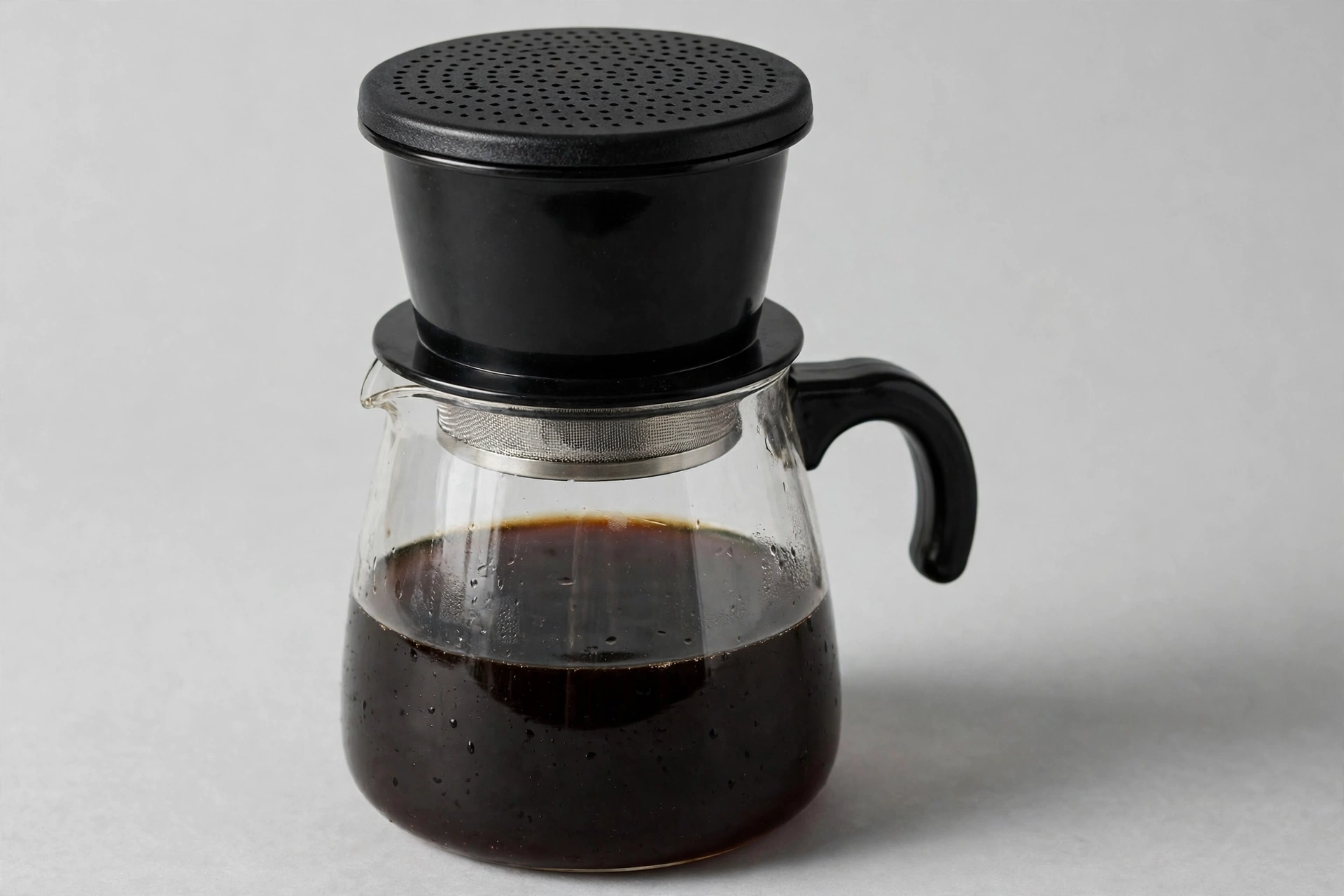
The OXO Brew is the countertop concentrate maker the big test kitchens converge on: both Good Housekeeping and Business Insider pick it, as documented by The Home Coffee Bar, and in Home Essentials Lab's testing its concentrate scored 9.5/10 — the strongest showing in that lineup. The design explains the scores. A perforated top distributes water over the grounds like rain instead of letting it channel through one spot, and a fine stainless steel mesh filter keeps sediment low without any paper to buy or throw away.
The 32 oz glass carafe brews concentrate, not finished coffee, so one batch dilutes into many more glasses than the carafe size suggests — that is the yield maths most listings skip. The trade-offs are footprint and patience: this is a two-piece countertop brewer that wants shelf space in the fridge once brewed, and concentrate brewing is an overnight commitment, not a morning shortcut. If you want one maker that covers a household's week, this is the consensus answer.
Yay · Pros
- Good Housekeeping and Business Insider's pick; concentrate scored 9.5/10 in Home Essentials Lab's testing
- Reusable stainless mesh filter — no paper filters to keep buying
- Concentrate format stretches one 32 oz batch across many glasses
Hmm · Cons
- Takes a full fridge shelf once the carafe is brewed and stored
- Overnight steep — no same-morning cold brew
- Glass carafe needs more care than the plastic pitchers below
Best for: households that drink cold brew most days and want one weekly batch to cover it. Skip if: your fridge is small or you want to brew and store in a single vessel — the Takeya below is built for that.
2. OXO Compact Cold Brew Coffee Maker — Best fridge-door concentrate
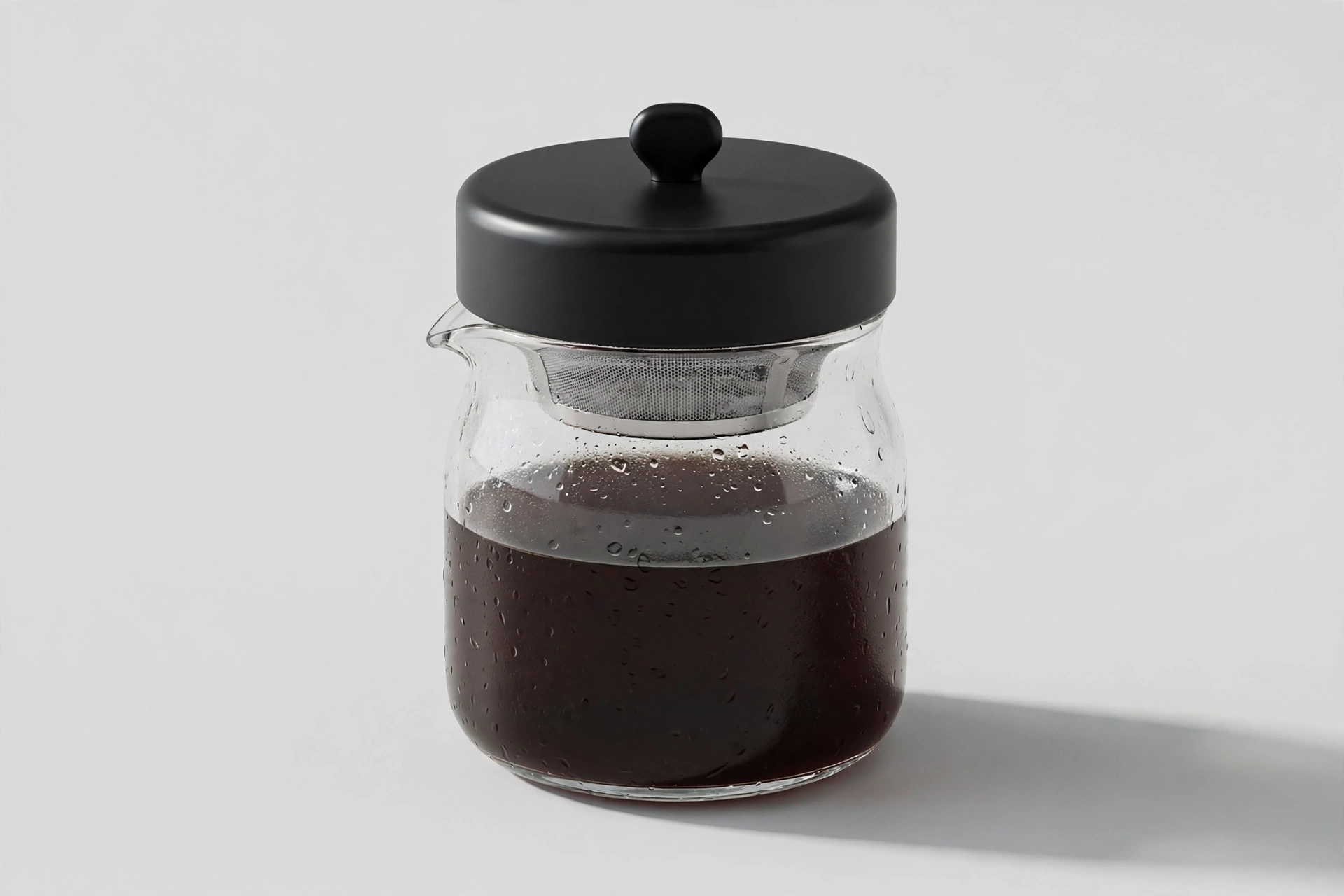
The Compact takes the OXO formula — even water distribution, reusable mesh filter, concentrate output — and shrinks it to fit where the full-size Brew cannot: the fridge door. BrewSift made it their top pick at 8.9/10, and the reasoning is practical rather than culinary. In a small kitchen or a shared fridge, the best cold brew maker is the one that actually fits, and this is the concentrate brewer designed around that constraint from the start.
The cost of the smaller body is batch size. Concentrate still stretches further than ready-to-drink coffee, but a compact batch runs out sooner in a two-drinker home, and frequent brewers will find themselves steeping twice a week. For a solo drinker, a small household, or anyone whose fridge door is the only free real estate, that trade is easily worth it.
Yay · Pros
- BrewSift's top pick at 8.9/10, designed for fridge-door storage
- Same reusable mesh filter and concentrate format as the full-size OXO
- The pick that fits small kitchens and shared fridges
Hmm · Cons
- Smaller batches — heavy drinkers will brew more often
- Still an overnight steep, like every maker here
- Concentrate needs diluting glass by glass, which not everyone enjoys
Best for: solo drinkers and small fridges that still want concentrate economy. Skip if: you are brewing for a household — the full-size OXO Brew's batch will serve you better.
3. Takeya Deluxe Cold Brew Coffee Maker — Best fridge-door pitcher
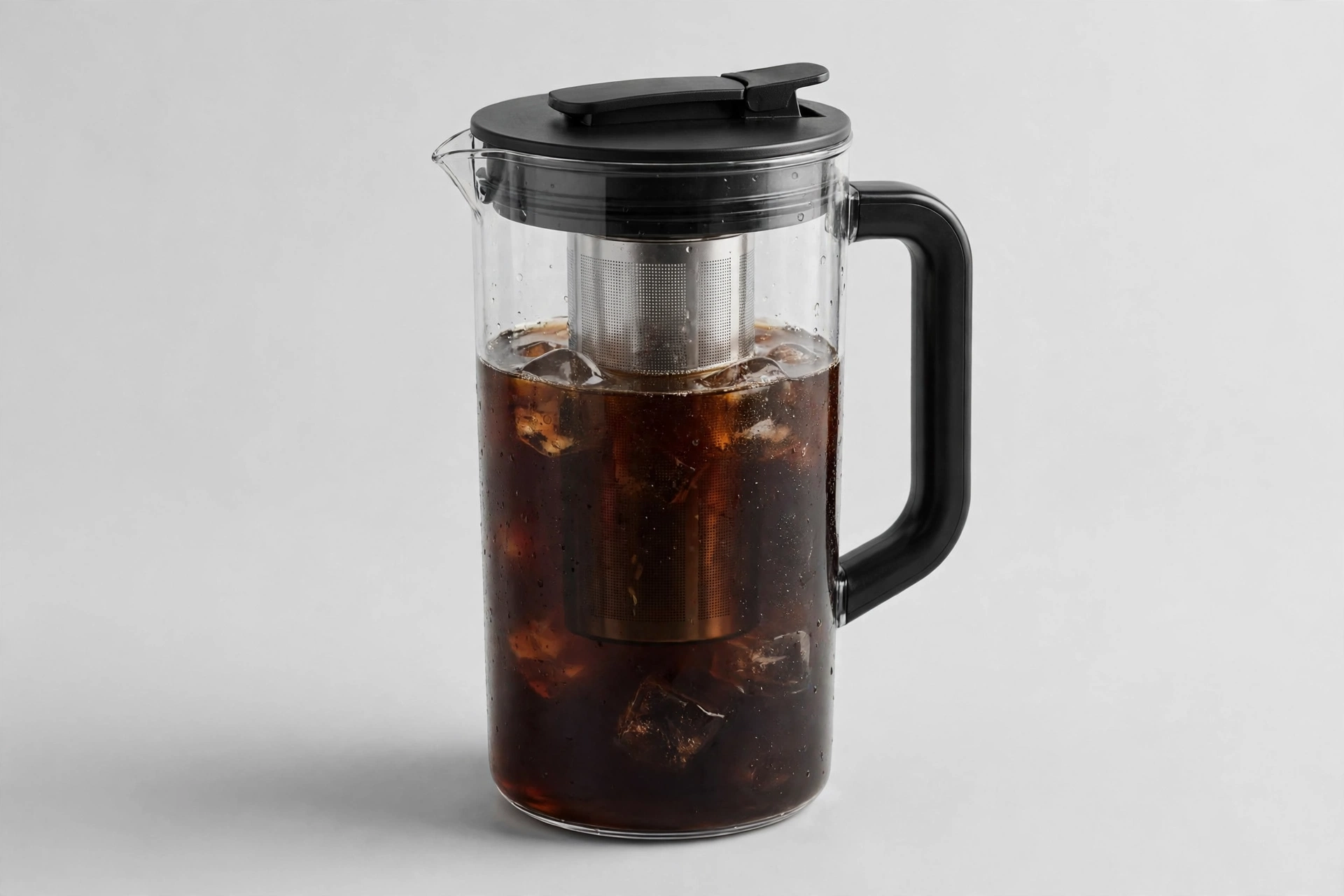
The Takeya Deluxe removes a whole step from cold brew: the grounds steep in a fine mesh infuser inside the pitcher, you lift the infuser out, and the same pitcher — airtight lid and all — goes straight into the fridge door for serving. Home Essentials Lab named it their overall test winner, and PrepDeck calls it their best fridge-door pitcher; for brew-and-store simplicity in one vessel, nothing else here matches it. It comes in 1-quart and 2-quart sizes, so the capacity choice is yours rather than the manufacturer's.
The honest trade-off is strength. The Takeya brews at ready-to-drink strength, so a batch is simply a pitcher of coffee — no concentrate reserve quietly waiting to become six more glasses. The pitcher body is plastic rather than glass, which some buyers will count against it even though it shrugs off fridge-door knocks that would worry a glass pot. Choose it for the workflow, not the yield.
Yay · Pros
- Home Essentials Lab's overall test winner; PrepDeck's best fridge-door pitcher
- Brews and stores in one airtight pitcher — no decanting, no second vessel
- Two sizes (1-quart and 2-quart) and a door-friendly shape
Hmm · Cons
- Ready-to-drink strength — batches finish faster than concentrate
- Plastic pitcher, if glass matters to you
- Mesh infuser lets a little more fine sediment through than felt or paper
Best for: anyone who wants cold brew ready to pour from the fridge door with the least possible fuss. Skip if: you want a week's coffee from one batch — that is concentrate territory, above.
4. Toddy Cold Brew System — Cleanest cup, biggest batches
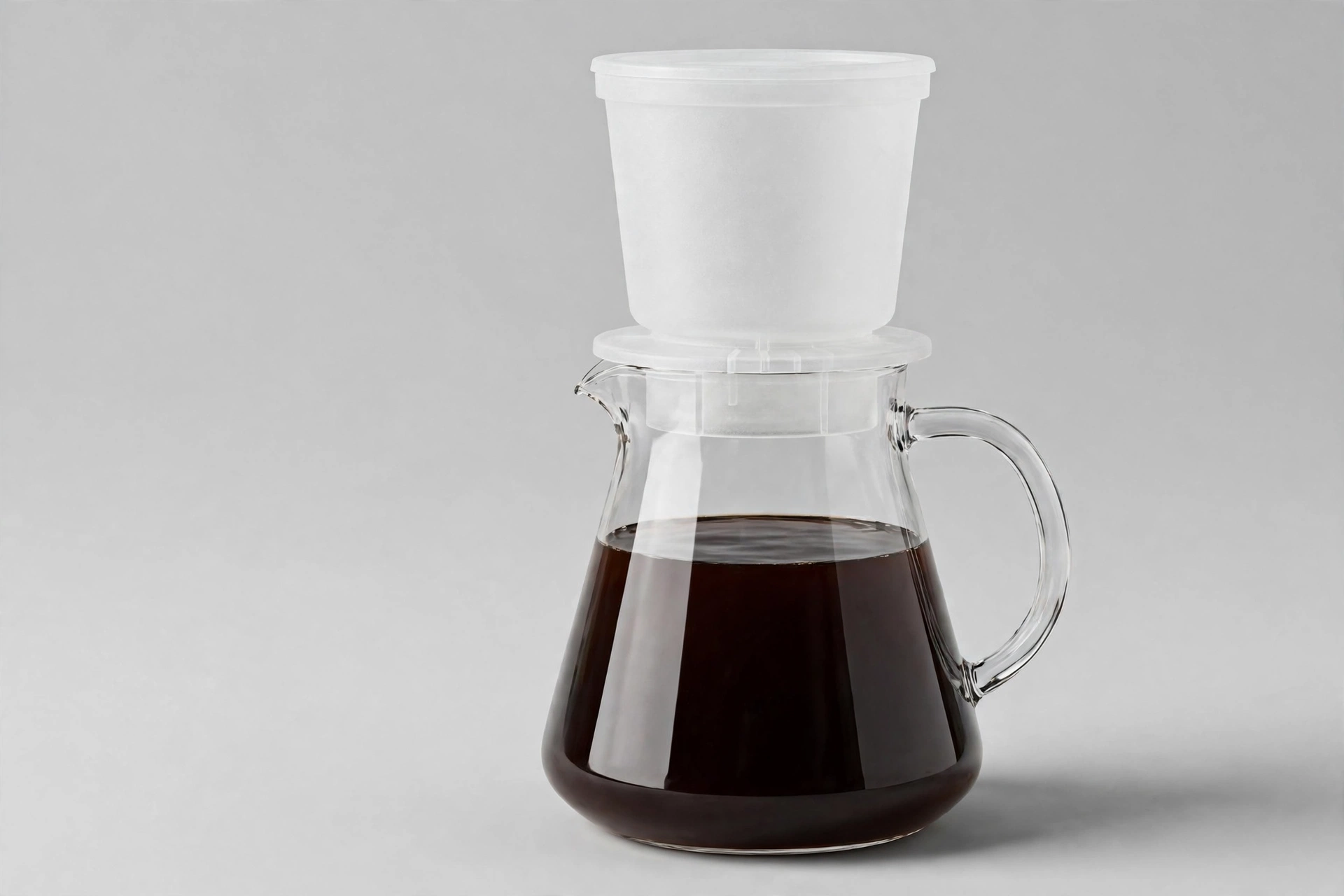
The Toddy is the old-school system the cold brew world was built on, and HomeCoffeeBrew still ranks it number one. Its secret is filtration: the coffee steeps in an upper chamber and drains through a thick felt filter into a glass decanter, and that felt catches fines that sail straight through mesh. The result is the cleanest, smoothest cup in this class — the reason cafés used this system for decades — and the batches are the biggest here, made for serious weekly volume.
The costs are consumables and ritual. Felt filters are a recurring purchase and need replacing, the two-chamber drain-down process is more involved than lifting out an infuser, and the system asks for counter space while it works. Availability can also be patchy — it is worth checking the listing in your country before setting your heart on it. For the drinker who tastes sediment in every mesh-brewed glass, none of that outweighs the cup.
Yay · Pros
- HomeCoffeeBrew's number one pick — felt filtration gives the cleanest cup here
- Biggest batches in the lineup, built for weekly volume
- Concentrate format with a decades-long café track record
Hmm · Cons
- Felt filters are a recurring cost and a part to keep stocked
- Two-chamber drain-down is the most involved process here
- Listings can be patchy in Canada — check availability first
Best for: high-volume drinkers who prioritise a clean, sediment-free cup above convenience. Skip if: you want zero consumables and a one-vessel routine — the OXO Brew or Takeya fit better.
5. Hario Mizudashi Cold Brew Coffee Pot — Best budget
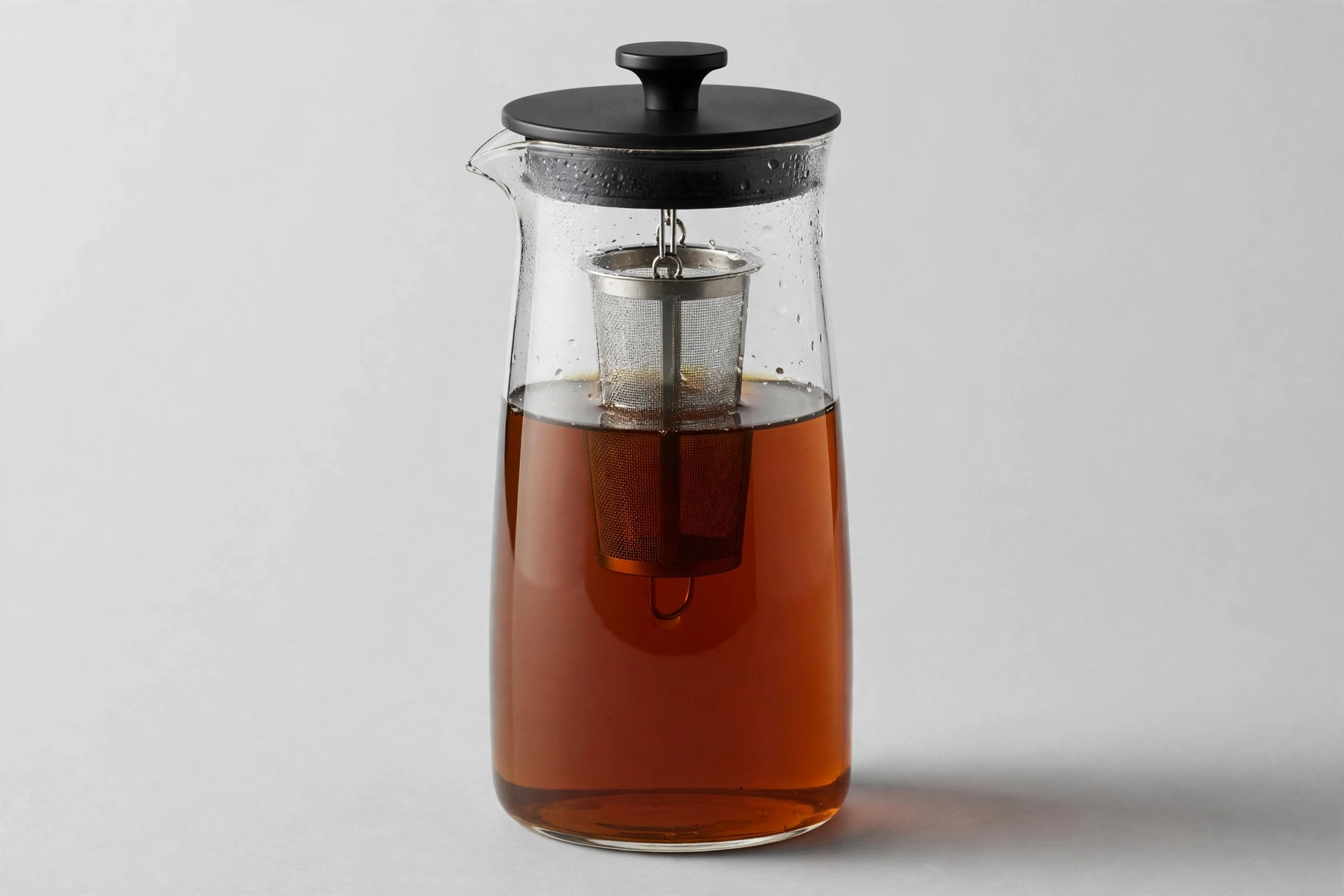
The Mizudashi is cold brew reduced to its essentials: a slim glass pot, a fine mesh filter basket that hangs inside it, water, grounds, time. BrewSift names it their best value, and the appeal is obvious — it costs a fraction of the countertop systems, takes almost no fridge space, and the coffee it makes at ready-to-drink strength is clean and honest. It is also the prettiest object in this guide, if the pot will live on a table rather than in a fridge door.
What the low price gives up is capacity and flexibility. The pot brews a modest batch at drinking strength, so a household will empty it quickly, and there is no concentrate option to stretch it further. The glass is not delicate, but it is glass — busy fridge doors and clumsy mornings are a real consideration. As a first cold brew maker, or a second one for a small household, it remains the value benchmark.
Yay · Pros
- BrewSift's best value — proper cold brew at the lowest price here
- Slim glass pot takes minimal fridge space and pours at the table
- Reusable mesh filter, nothing to keep buying
Hmm · Cons
- Small, ready-to-drink batches — households will brew often
- Glass body needs a little care in a busy fridge
- No concentrate mode for stretching a batch
Best for: first-time cold brew drinkers, small households and anyone testing whether the habit sticks. Skip if: you already know you drink it daily — start with a concentrate maker instead.
6. KitchenAid KCM4212SX Cold Brew Coffee Maker — Best upgrade
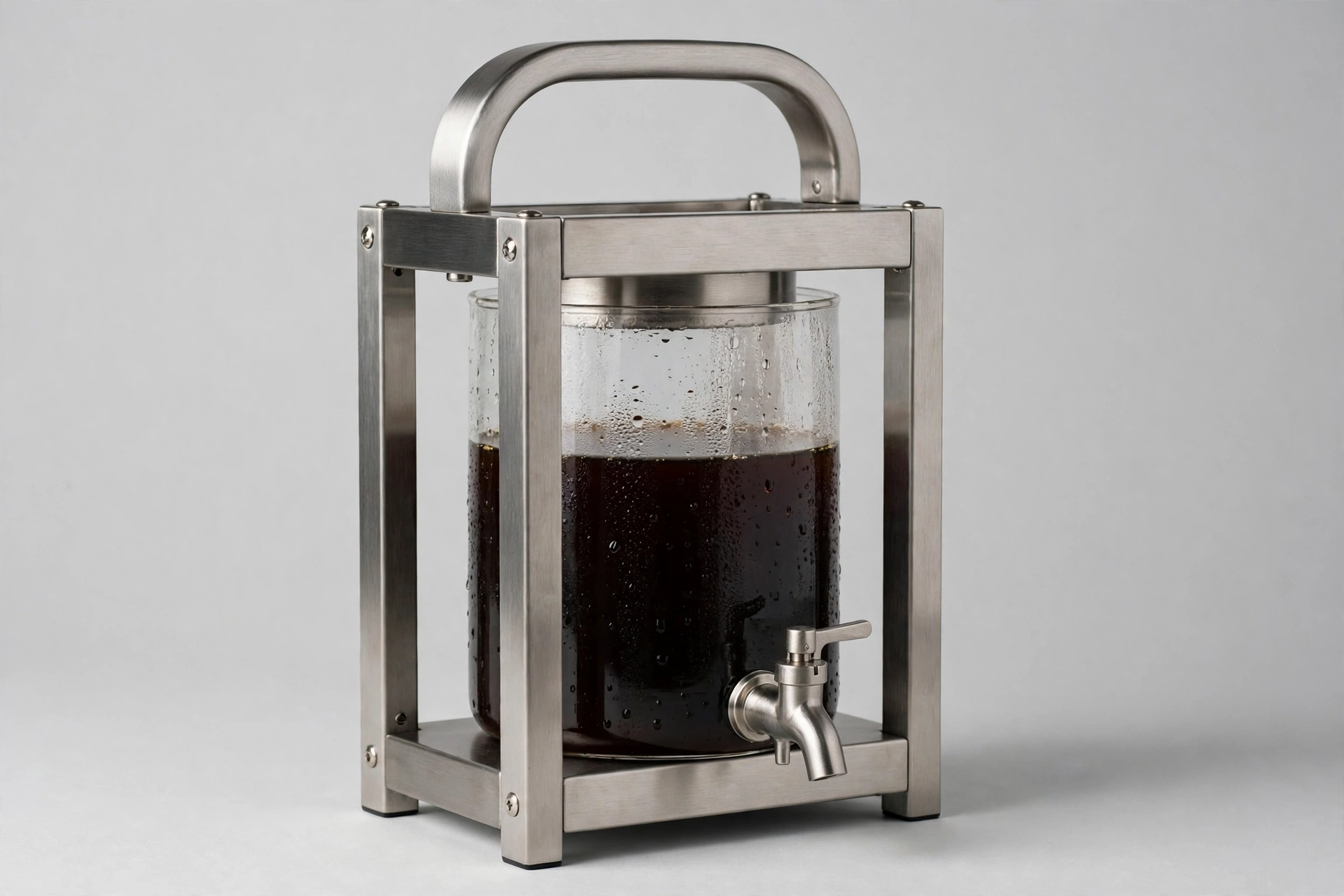
The KitchenAid is the maker for people who serve cold brew rather than just drink it. Shopping Trends Canada names it their upgrade pick, and the reason is the built-in dispenser tap: the stainless steel and glass body sits in the fridge or on the counter, and glasses are filled from the tap without lifting or pouring the vessel at all. A reusable stainless steeper handles the brewing, and the whole thing looks like a piece of kitchen equipment rather than a coffee accessory.
The upgrade money buys serving convenience and build, not a fundamentally different cup — the cold brew itself is in the same league as the OXO's, so the premium needs the tap and the presentation to justify itself in your kitchen. It is also a committed footprint: this is a vessel that expects a permanent home. For entertainers and heavy households, that is exactly the point.
Yay · Pros
- Shopping Trends Canada's upgrade pick, with a built-in tap for serving
- Stainless and glass build that suits counter or table presentation
- Reusable stainless steeper — no consumable filters
Hmm · Cons
- Premium price buys serving convenience more than better coffee
- Large, permanent footprint in the fridge or on the counter
- More parts to wash than a simple pitcher
Best for: entertainers and heavy households who will actually use tap serving. Skip if: the coffee is just for you — the OXO Brew makes an equal cup for less.
Concentrate, fridge space and filters: what actually matters
Concentrate versus ready-to-drink is the real decision. A concentrate batch looks small on paper — 32 oz in the OXO's carafe — but it is diluted glass by glass, so it can cover a week of drinks. A ready-to-drink pitcher such as the Takeya or Hario holds finished coffee: what you see is what you get, and it runs out sooner. If cold brew is a daily habit, concentrate wins on both effort and fridge trips; if it is a weekend pleasure, the pitcher is simpler and tastes fresher per batch.
Measure your fridge before you measure anything else. Door shelves, full shelves and countertop-then-fridge systems each demand different shapes, and this is the most common reason cold brew makers get returned. The OXO Compact and the Takeya exist specifically because standard brewers do not fit standard fridge doors. If your coffee will travel — to a desk, a gym bag, a commute — a good batch deserves a proper vessel too; our guide to the best insulated tumblers in Canada & the USA covers the ones that keep cold brew cold for hours.
Filter type is a running-cost decision. Reusable stainless mesh (OXO, Takeya, Hario, KitchenAid) costs nothing after purchase and rinses clean in seconds, but lets a trace of fine sediment through. The Toddy's felt filters brew the cleanest cup in the class and are a genuine recurring expense. Neither is wrong — but know which you are buying. And if your mornings split between cold brew in summer and hot coffee the rest of the year, our best coffee and espresso machines guide covers the hot side of the counter.
Cold brew questions, answered
How long does cold brew keep in the fridge? Concentrate keeps best — up to a week in a sealed vessel, with the cleanest flavour in the first few days. Ready-to-drink batches are at their best within three to four days. Either way, store it sealed and cold; coffee absorbs fridge odours readily.
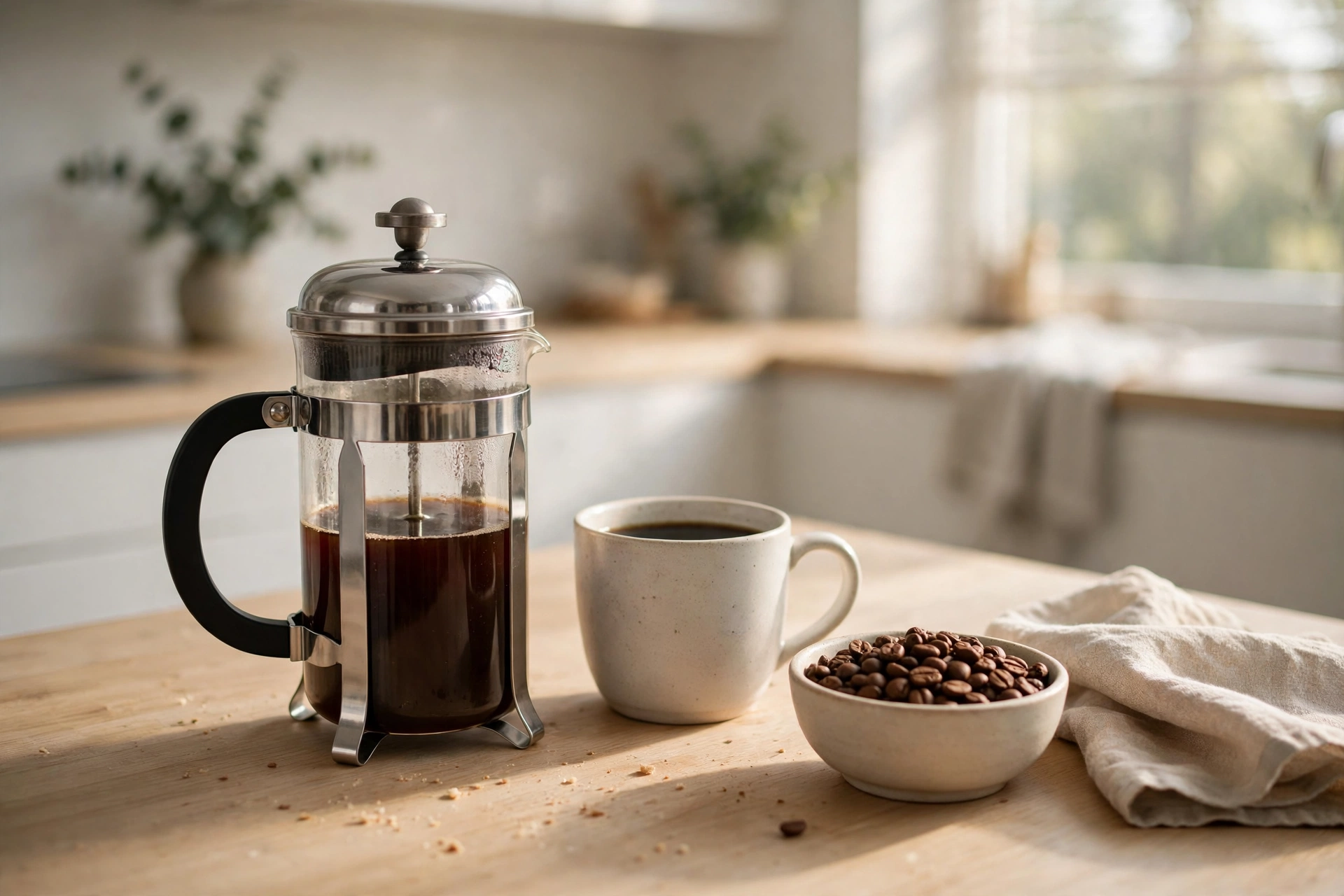
Can I make cold brew without a dedicated maker? Yes — a French press is the classic budget method: steep coarse grounds overnight, press, and pour off the plunger immediately so it does not over-extract. A dedicated maker earns its money on filtration and fridge fit, not on magic. The same steep-and-strain patience applies across the drinks counter, incidentally — our best cold press juicers guide covers the slow-extraction side of juice.
What grind and ratio should I use? Coarse grind, always — fine grounds over-extract in a long steep and clog mesh filters. Concentrate makers use a notably stronger coffee-to-water ratio than pitcher brewers, and each maker above ships with its own guidance; follow the maker's ratio for the first batch, then adjust one step at a time to your taste.
Is cold brew less acidic than hot coffee? Cold water extracts more slowly and leaves some of the sharper acidic compounds behind, which is why many drinkers find cold brew smoother and easier on the stomach. It is a flavour and comfort difference, not a health claim — and it is the main reason the concentrate from the Toddy and OXO tastes so mellow diluted.
The short version
Buy the OXO Brew if you want the consensus best concentrate maker for a household. Buy the Takeya Deluxe if you want cold brew waiting in the fridge door, ready to pour. Buy the OXO Compact if the fridge is small, the Toddy if a clean cup matters more than convenience, the Hario Mizudashi if the budget leads, and the KitchenAid if you serve a crowd. Everything else is fridge space: measure yours first.
Last updated: November 16, 2026. We refresh this guide each season and whenever a pick is replaced by a better one.