Most CES kitchen gadgets are giant screens looking for a problem. The three in this roundup are the opposite: small, single-purpose tools that each solve one annoying kitchen problem in a new way. One makes cold brew in five minutes instead of overnight. One tests your restaurant meal for gluten or dairy before you eat it. One watches your food through a camera and weighs it, then cooks it without you setting a time or temperature. All three were shown at CES 2026 in Las Vegas. None of them is a normal retail product yet — so this is a watch list, not a buying guide, and every date and status below is labelled for how sure we are of it.
The Three Gadgets at a Glance
| Gadget | What it does | Status (as reported) |
|---|---|---|
| Ecoldbrew | Grinds beans, circulates and extracts — fresh cold brew in about 5 minutes, in a travel-mug format | Kickstarter finished; maker taking orders direct; Amazon listing unconfirmed |
| Allergen Alert | Pocket mini-lab that tests a food sample for gluten or milk protein in minutes | In development; chef trials under way; pre-orders expected later in 2026 (reported) |
| AISO by Apecoo | Countertop oven with a camera and weight sensors that identify food and set the cook itself | Pre-orders reported open; first units expected before the end of 2026 (reported) |
1. Ecoldbrew — Cold Brew in Five Minutes
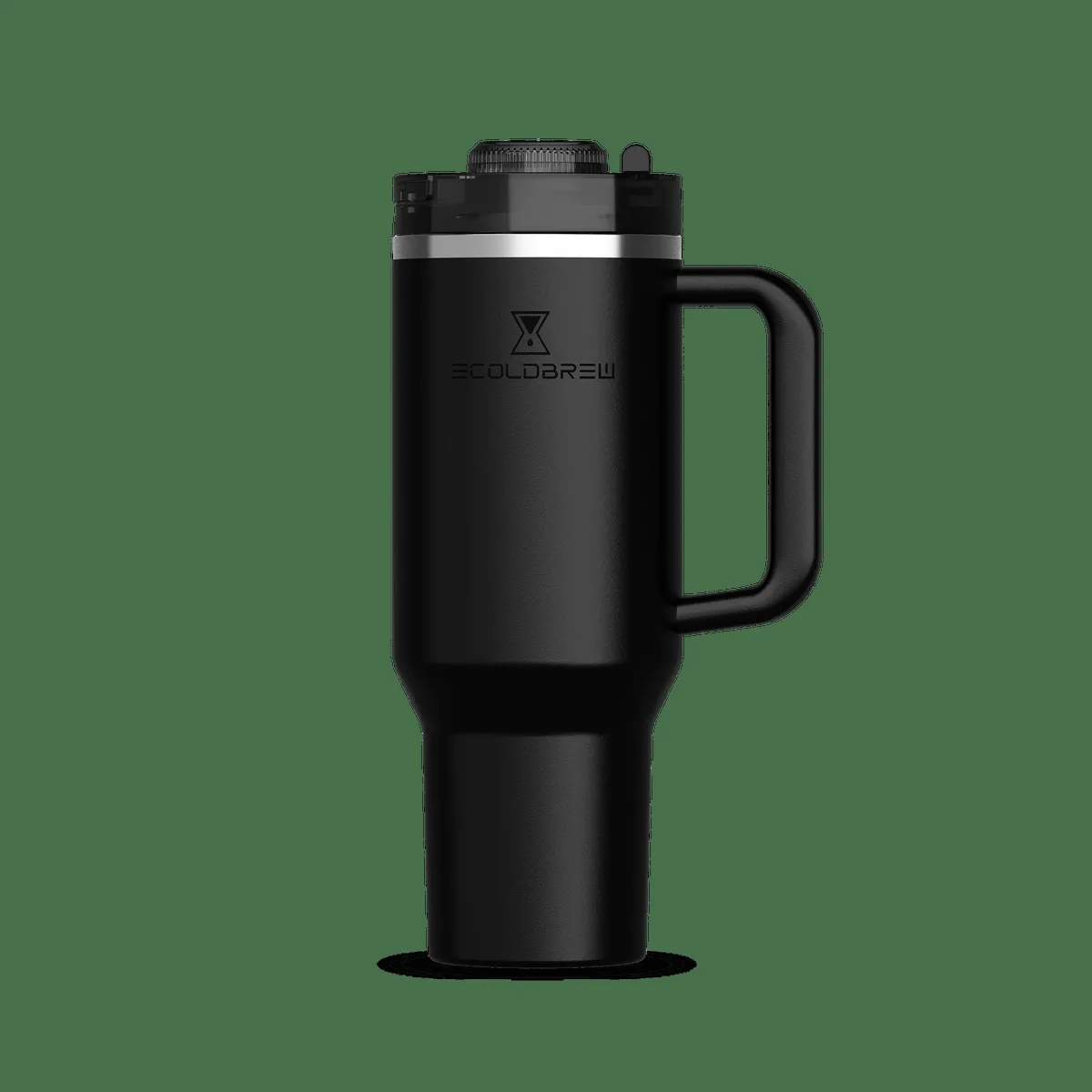
Cold brew coffee normally takes patience: coarse grounds, cold water, and a 12-to-24-hour wait. Ecoldbrew — winner of the Best Kitchen Tech award in the CNET Group's Best of CES 2026 picks — attacks the wait with movement instead of heat. The device stores whole beans, grinds them with a built-in flat burr grinder, then circulates the water through the grounds continuously. Moving water extracts far faster than still water, and the maker says the result is a smooth, fully developed cold brew in about five minutes.
The format is the other half of the idea. Ecoldbrew is built around popular 40-ounce travel tumblers, so the brew happens in the mug you carry out the door, at roughly a 12-ounce serving per run. Controls sit on a round OLED dial — grind size, circulation speed and extraction time are adjustable — and it charges over USB-C. Maker and coverage figures suggest around eight brews per charge. Status, stated plainly: the Kickstarter campaign has ended and the maker's own store is taking orders with shipping quoted in weeks, but there is no confirmed Amazon listing yet, and Canadian availability is unconfirmed. When it does reach Amazon, it will land in a category our coffee guides already watch closely.
2. Allergen Alert — A Pocket Lab for Gluten and Dairy

For the millions of people who eat out with a food allergy, the weak point has never been the menu — it is not knowing what actually happened in the kitchen. Allergen Alert, a French startup spun out of diagnostics company bioMérieux, is building a pocket-sized "mini lab" that tests the food itself. You put a small sample of the meal into a single-use pouch, slot the pouch into the device, and press a button. Inside, the pouch handles the lab steps — crushing, diluting, extracting — using immunoassay technology, the same family of testing labs use to detect specific proteins. Results land in minutes, on the device and in a phone app: gluten detected or not, milk protein detected or not.
Two honest caveats belong in any coverage of this device. First, it is still in development: professional chefs are trialling it, pre-orders are expected later in 2026 according to the company, and the launch version covers gluten and milk, with the major allergens — peanut, tree nuts, egg, soy, fish, shellfish, sesame — on the roadmap rather than in the box. Second, independent validation results have not been published yet, and a screening result is information, not a medical guarantee; the company itself says the device does not replace medical advice or emergency treatment. Even with those caveats, this was one of the most genuinely useful things shown at CES 2026, and it is the gadget on this page we most want to see succeed.
3. AISO by Apecoo — The Oven That Looks at Your Food
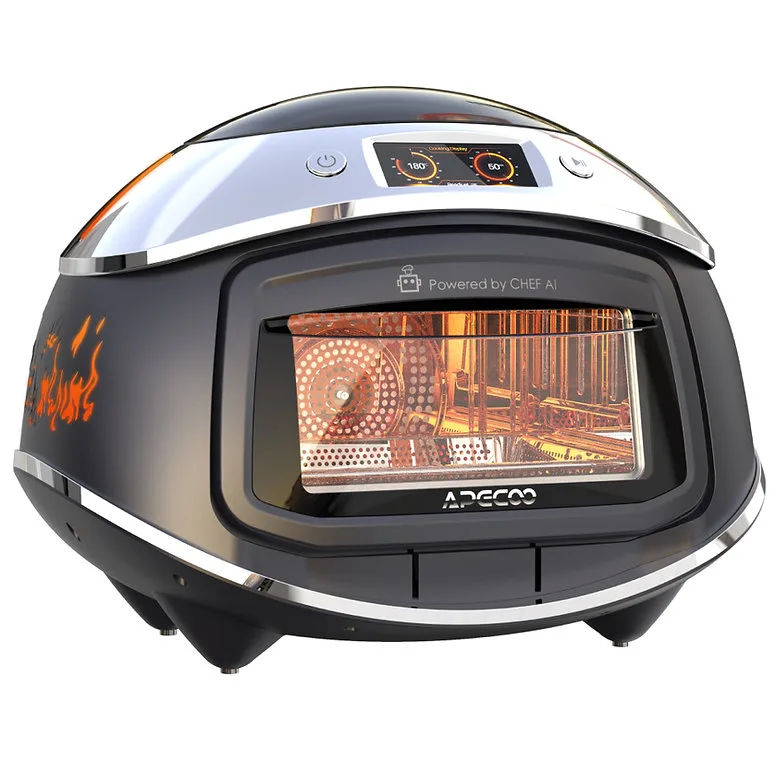
Smart ovens usually mean a big box, a probe, and an app full of modes. Apecoo's AISO goes the other way: a smaller countertop oven that tries to remove the decisions entirely. A camera inside watches the food, and weight sensors underneath measure it, so the oven works out the food's geometry — how thick that steak is, how much broccoli is actually there — and sets the time and temperature itself. There is no probe to insert. The company calls it a zero-touch approach: put the food in, and the oven identifies it and runs what it judges to be the right program, adjusting heat distribution as it goes. It can also flag things that should not be cooked at all — at CES it reportedly recognised a packaged snack bar placed inside as "not cookable."
The heating itself is deliberately simple — classic coil heating and convection, no steam tricks — and the AI processing happens on the device, so it works without Wi-Fi; an app adds nutrition logging for those who want it. Now the caveat, and it is a real one: at CES the oven was demonstrated with fake food. CNET's reporter watched it identify plastic props and suggest programs, but did not see it actually cook anything. Pre-orders were reported open at the show, with first units expected to ship before the end of 2026 — reported, not confirmed, and Canadian availability is unconfirmed. Our combi-steam ovens preview covers the other direction countertop ovens are heading, if you are comparing futures.
What to Watch Next
Each gadget has one milestone that will tell you whether it is real. For Ecoldbrew, it is ordinary buyers receiving units and reviewing the coffee, not the clock. For Allergen Alert, it is published validation — test results outsiders can check, across real restaurant food, at the levels that matter for allergic reactions. For AISO, it is a reviewer cooking an actual steak, start to finish, and cutting it open on camera. When those milestones land, this page gets updated and the watch-list language comes off. Until then, reported means reported.
Why Only Three?
Because most of what fills CES kitchen coverage is either a television with a fridge attached or a robot that will never ship. These three earned their place differently: each does one job, each was shown working (or, in AISO's case, shown honestly not-quite-working) in front of reporters, and each solves a problem real households actually have — slow coffee, unsafe restaurant meals, and guesswork cooking times. We would rather watch three real products closely than list thirty renders.
How to Use This Page
Forward-looking pages work differently from our normal buying guides. There are no prices and no scores here — for products that are not on sale yet, there is nothing honest to score. The buttons read Keep Checking on Amazon and open a tagged search on Amazon.ca or Amazon.com, so you can watch availability yourself. Confirmed facts come from manufacturer pages and launch coverage; anything less certain is labelled reported, expected or unconfirmed, right in the text.
Frequently Asked Questions
When can I buy the CES 2026 gadgets in this roundup?
At different times, and none is a standard retail product yet. Ecoldbrew's crowdfunding has ended and the maker is taking orders direct. Allergen Alert is in development, with pre-orders expected later in 2026 according to the company. AISO pre-orders were reported open at CES, with first units expected before the end of 2026. Treat every one of those dates as reported, not guaranteed.
Are these gadgets coming to Canada?
Unconfirmed for all three. None of the makers has announced a Canadian retail channel, which is why this page uses Keep Checking searches on Amazon.ca as well as Amazon.com — marketplace listings are usually the first sign of Canadian availability.
Why are there no prices on this page?
Because none of these products has settled retail pricing yet. Crowdfunding prices, show-floor quotes and expected prices all change before launch, and printing a number that turns out wrong helps nobody. The Keep Checking buttons open live Amazon searches, where real prices appear the moment listings do.
Which of the three is most likely to be useful first?
Ecoldbrew, on current evidence: it won a Best of CES award, its maker is already taking orders, and making coffee faster is a simpler promise to keep than medical-grade allergen testing or fully automatic cooking. Allergen Alert has the highest potential value if its validation holds up.
The Short Version
Three small CES 2026 gadgets worth watching: Ecoldbrew for five-minute cold brew in your travel mug, Allergen Alert for testing restaurant food for gluten and dairy before the first bite, and AISO by Apecoo for an oven that looks at your food and sets its own cook. None is confirmed for Amazon or Canada yet — that is exactly what the Keep Checking buttons on this page are for. We will refresh this page as listings and launch dates firm up.